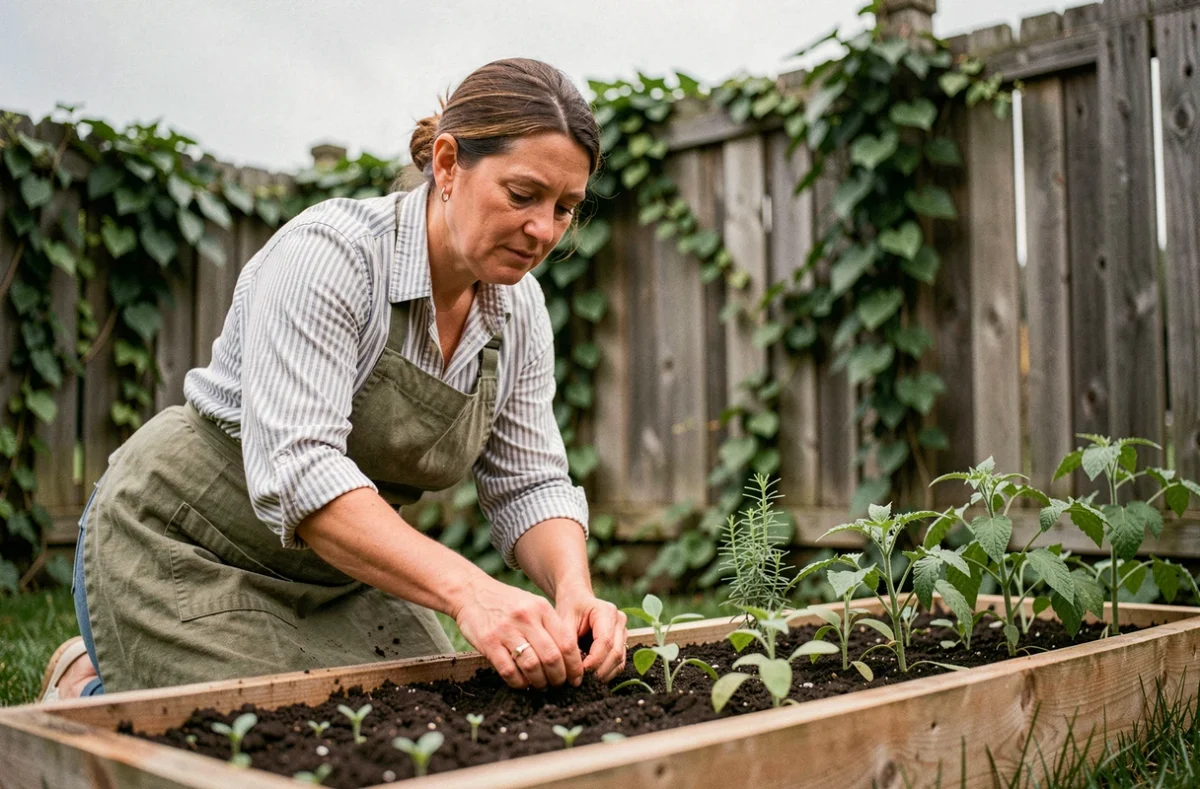
What parameters determine the success of a garden over twelve months, beyond the repeated actions each season? With increasingly strict water restrictions, exotic plants now banned, and the evolution of practices around soil, the classic benchmarks of annual gardening deserve to be confronted with current regulatory and ecological constraints.
Water Restrictions and Garden Watering: What the Law Really Imposes
Common watering advice overlooks a decisive factor: local regulations. In France, drought restrictions are organized into four progressive levels – vigilance, alert, reinforced alert, and crisis. At the most severe stage, watering of lawns, flower beds, and potted plants may be completely prohibited, with exceptions for recent plantings.
The public site VigiEau allows you to check the rules applicable to a given address. This verification conditions any seasonal watering schedule, as a prefectural decree can be issued within days during a drought episode.
For gardeners who wish to deepen their practices and adapt their maintenance to the realities on the ground, it is useful to discover the Jardiner Facile website before planning the season.
| Restriction Level | Impact on Garden Watering | Possible Fine (individual) |
|---|---|---|
| Vigilance | Awareness, no prohibition | None |
| Alert | Limited time slots | Up to €1,500 |
| Reinforced Alert | Watering restricted to certain uses | Up to €1,500 |
| Crisis | Prohibition except for recent plantings | Up to €3,000 in case of repeat offense |
These amounts are not mere rumors. They are documented by Service-public.fr and reported by Aufeminin in September 2026. A gardener who waters their lawn during a crisis is therefore exposed to a concrete fine, not just a simple warning.
Invasive Exotic Plants: Species Banned from Purchase in France
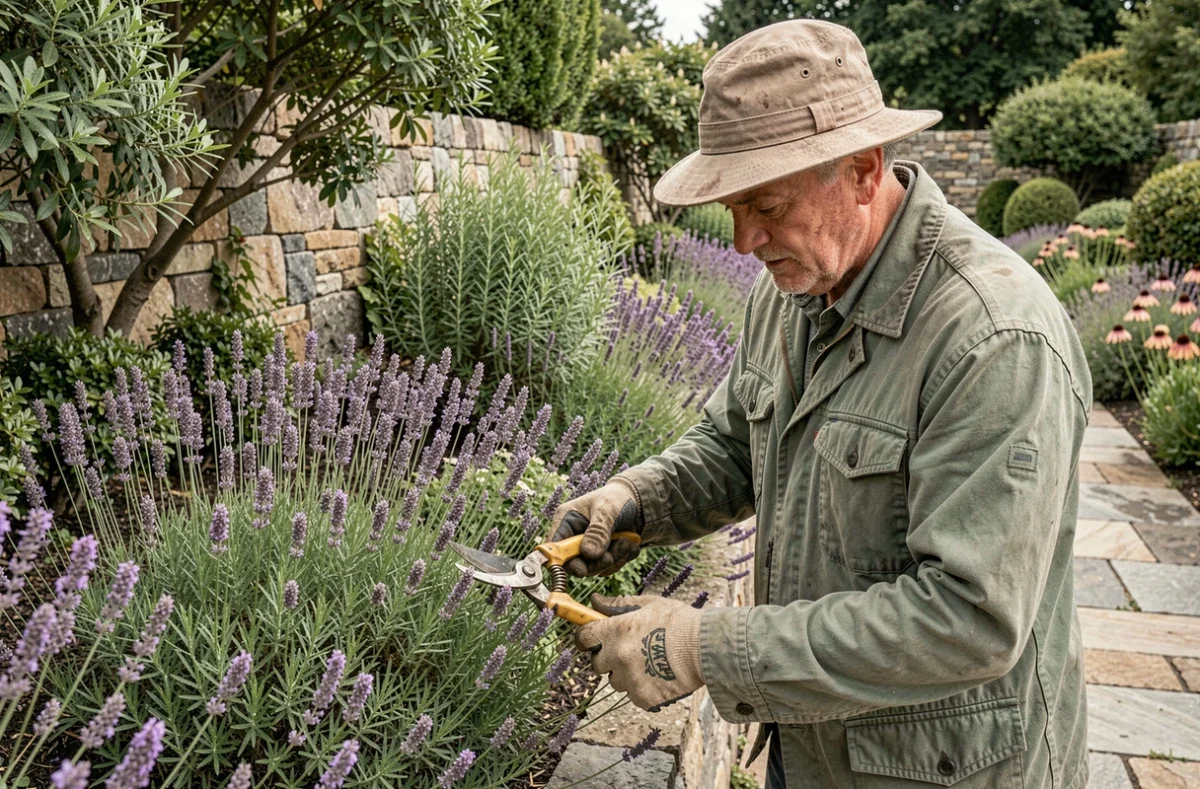
Successfully maintaining a garden year-round also involves knowing what you are no longer allowed to introduce. France applies the European list of invasive exotic species, which has expanded in recent years. Among the plants subject to a ban on sale, exchange, and propagation: Himalayan balsam, black acacia (false acacia in some regions), and Japanese knotweed.
These bans are not symbolic. An individual who propagates or moves a species listed is subject to penalties. The most common trap involves exchanges between neighbors or at local plant fairs, where these species still circulate without participants knowing their regulatory status.
- Before any purchase at a garden center or online, check that the species is not on the European list of concerning invasive exotic species.
- Report the presence of Japanese knotweed or Himalayan balsam on your plot rather than attempting to uproot it yourself, as poorly managed cutting promotes dispersion.
- Favor local perennials adapted to the soil and climate of the region, which require less maintenance and pose no regulatory risk.
Living Soil and Fertility: Why Tilling Destroys the Vegetable Garden
The practice of deep tilling remains ingrained in habits. However, it is identified as a mistake that degrades soil fertility in the long term. Tilling disrupts the natural stratification of microorganisms: surface aerobic bacteria end up deep down, while anaerobic organisms are exposed to air. The result is soil that appears loose in the short term but gradually loses its ability to nourish plants.
The alternative relies on two axes. Permanent mulching (dead leaves, chipped branches, straw) protects the surface and nourishes the soil fauna. Light work with a broad fork, which aerates without turning over the layers, preserves the biological structure.
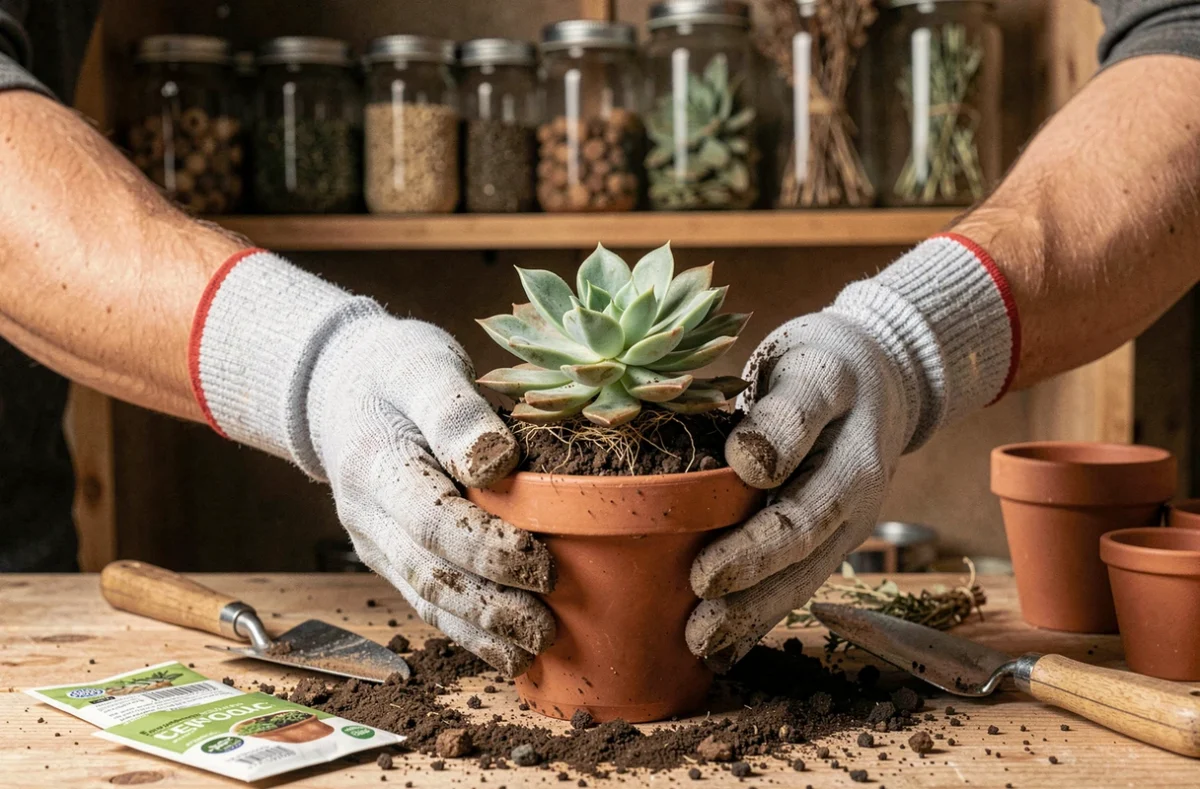
For a productive vegetable garden year-round, this approach changes the game for vegetable sowing. Untilled soil retains moisture better in summer and warms up faster in spring, two factors that extend the growing window without extra effort.
Realistic Seasonal Maintenance Calendar
Rather than a list of identical tasks from one guide to another, here are the actions whose impact is measurable on the health of the garden over the year.
Winter: Protect Without Overprotecting
Thick mulching applied in autumn is sufficient for most hardy perennials. Winter protection with horticultural fleece is justified only for Mediterranean or tropical plants grown outside their hardiness zone. Excessively mulching cold-adapted plants promotes fungal diseases due to excess moisture at the collar.
Spring: Observe Before Acting
The temptation is strong to prune, sow, and plant as soon as the first warm days arrive. Two or three weeks of observation allow you to identify areas of the garden where the soil dries quickly, those that remain waterlogged, and the plants that spontaneously restart. This reading of the terrain before action avoids placement errors that will cost throughout the season.
Summer: Manage Water as a Limited Resource
With drought restrictions, the summer watering strategy must incorporate the possibility of a temporary ban. Generously mulch, water at the base and never in full sun, and group plants by water needs allows you to manage even with watering reduced by half.
Autumn: Prepare the Soil, Not the Garden
This is the season when soil work matters most. Add compost to the surface, leave dead leaves on the beds, and plant spring bulbs. Areas left partially fallow during autumn welcome beneficial creatures (hedgehogs, ground beetles) that will regulate pests the following season.
Adapting your garden to regulatory constraints on water, checking the status of plants before introducing them, and respecting soil biology are three levers that weigh more on annual success than mowing frequency or fertilizer choice. A sustainable garden is primarily built on what you avoid doing.