Transforming a house into a place that reflects a unique identity involves choosing between several approaches with very different costs, timelines, and impacts. Paint, textiles, second-hand furniture, eco-friendly materials: each lever changes the atmosphere of a room, but not with the same effectiveness or budget. This article compares these levers to identify those that produce the most visible change per euro spent.
Comparison of Decor Levers to Transform Your Home
Not all changes are equal. Repainting a living room wall takes an afternoon and radically alters the perception of the space. Changing a sofa costs several hundred euros without guaranteeing a comparable effect. The table below summarizes the main levers according to three criteria: average budget, implementation time, and perceived visual impact.
| Lever | Relative Budget | Implementation Time | Visual Impact |
|---|---|---|---|
| Wall paint (an accent wall) | Low | Few hours | High |
| Textiles (cushions, curtains, throws) | Low to moderate | Immediate | Moderate |
| Wallpaper on one wall | Moderate | Half a day | High |
| Second-hand or upcycled furniture | Variable (often less than new) | Search + transport | High if it’s a standout piece |
| Lighting (adding light points) | Low to moderate | Few hours | High in ambiance |
| Replacing with new furniture | High | Variable delivery | Moderate to high |
The relationship between budget and visual impact clearly favors paint, wallpaper, and lighting. These three elements change the perception of a room without requiring major renovations.
Resources like Incroyable Maison compile decor ideas and feedback that help to weigh these options before diving in.
Second-Hand and Upcycling: The Price Gap That Changes the Game
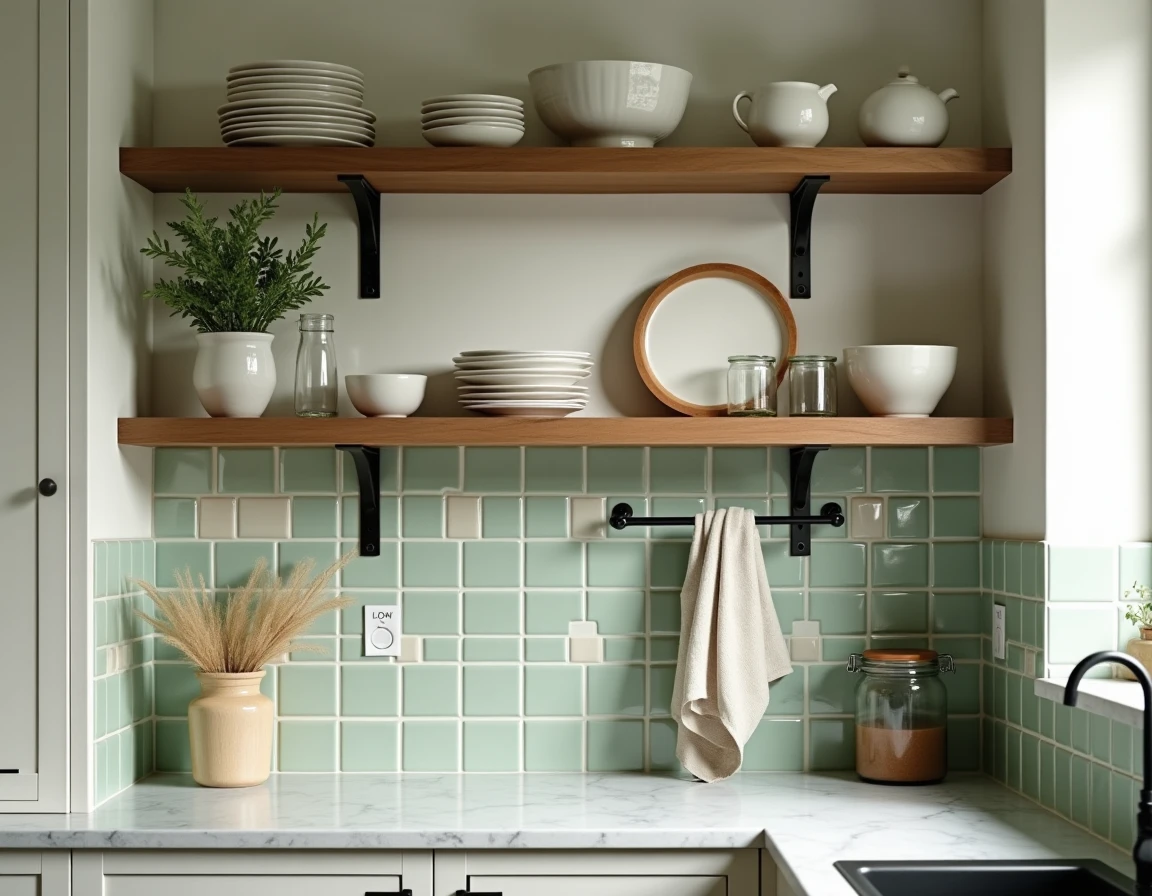
The purchase of second-hand and refurbished furniture has been steadily increasing in France for several years. ADEME documented this trend in its 2023 study on sustainable consumption: specialized platforms and the second-hand offerings of major retailers are accelerating the movement. Interiors are increasingly made up of vintage or refurbished pieces, rather than uniform new furniture.
Upcycling goes beyond simple resale. It involves enhancing a raw wooden piece, an antique dresser, or a kitchen table by giving it a contemporary finish. Sometimes, sanding, a suitable coat of paint, and a new drawer pull are enough to create a piece that you wouldn’t find in any catalog.
However, second-hand requires time for research. Quality varies among sellers, and transport costs can negate the savings made on bulky furniture. The financial gain is real on smaller items (lighting fixtures, chairs, shelves) but less systematic on a sofa or a large wardrobe.
Eco-Friendly Materials and Low-Tech Trends in Interior Decoration
Trade shows like Maison&Objet have highlighted, since 2024, a strong demand for low environmental impact coatings and textiles. Pollution-reducing paints, certified woods, European linens: these eco-friendly materials meet a dual aesthetic and ecological requirement.
The low-tech trend in decoration goes beyond the simple choice of material. It incorporates passive solutions in the staging of rooms: natural ventilation encouraged by furniture arrangement, textile solar protections that filter light without air conditioning, thick linen curtains that regulate a room’s temperature.
This approach aligns with regulatory constraints related to energy performance in France. The gradual ban on renting the most energy-consuming homes is pushing owners to rethink interior layouts. Visible interior insulation becomes a decorative element rather than a flaw to hide. Exposed cork panels, raw earth coatings, wood fiber partitions: these insulating materials are displayed instead of hidden behind drywall.
Criteria for Choosing a Sustainable Decor Material
- Check the wood certification (PEFC or FSC) and the geographical origin of the textile, as linen grown in Europe has a very different transport footprint than imported cotton
- Favor paints with low volatile organic compound content, as indicated on the product’s environmental label
- Assess the actual durability of the material in the intended room: a raw wood countertop in a humid kitchen ages poorly without proper treatment
Color and Light: The Two Variables with High Impact in a Living Room
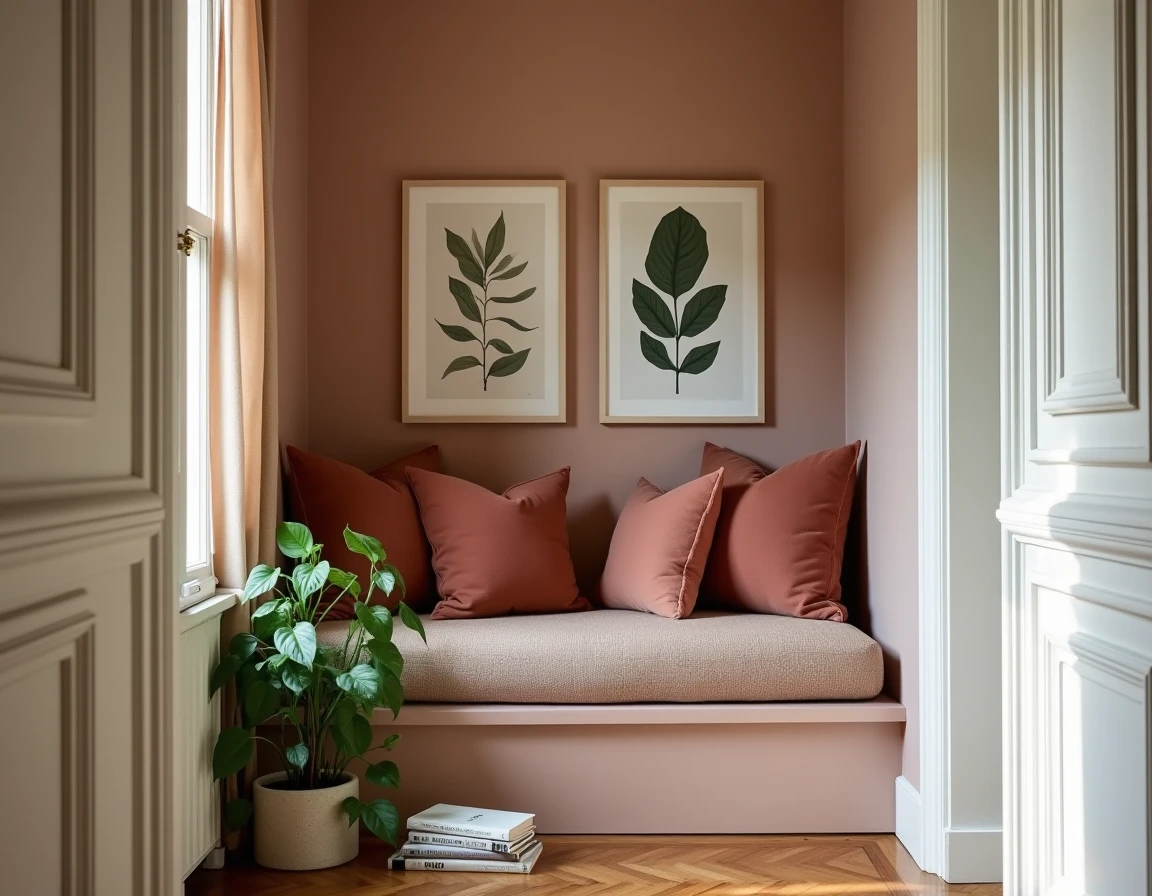
The color of a wall and the lighting of a room interact directly. A wall painted in a dark tone absorbs light and reduces the feeling of space. The same tone, illuminated by two side light sources, creates a cozy atmosphere without feeling oppressive.
A well-lit accent wall transforms more than a complete furniture replacement. This is the conclusion that emerges from the comparison above: for a low budget, the combination of paint and lighting offers the best impact/cost ratio.
Here are some practical tips to exploit this combination:
- Test the chosen shade with a sample placed directly on the wall, observed at different times of the day, as natural light significantly alters perception
- Multiply low light sources (table lamps, wall sconces) rather than relying on a single central ceiling light, which flattens volumes
- Pair textured wallpaper with grazing light to create relief on a wall in the living room or kitchen
- Reserve light tones for rooms with low natural light and saturated tones for already well-exposed spaces
Trendy decoration in 2024-2025 favors earthy tones and raw textures, in line with the rise of natural materials in furniture. Beige, terracotta, and sage green palettes dominate the offerings from paint manufacturers, while matte finishes are gradually replacing satin ones in living areas.
The choice between these different levers depends on the configuration of each room and the available budget. The initial comparison table remains the most reliable starting point: focusing resources on paint, lighting, and a few vintage furniture pieces produces a visible result quickly, without engaging in heavy renovations or disproportionate expenses.