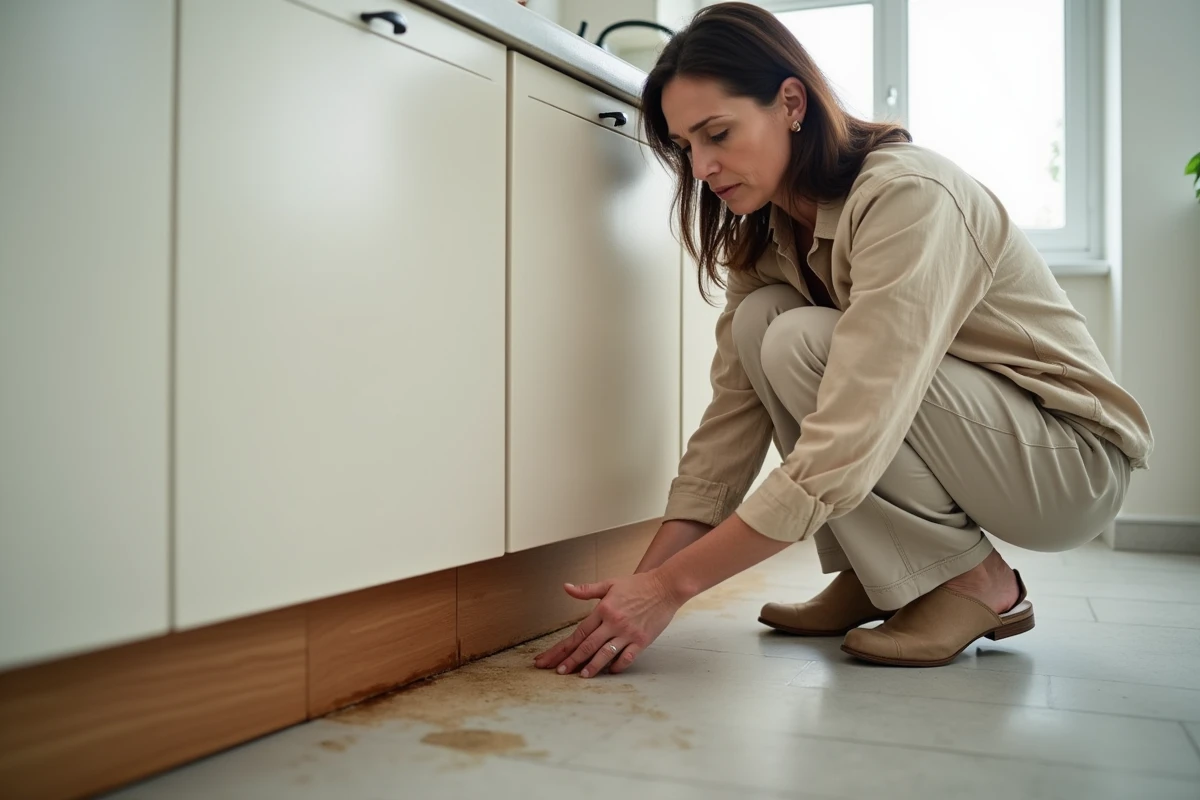
The water damage guarantee covers damages caused by water action inside a home: pipe leaks, appliance overflow, pipe breakage. It is part of the core of multi-risk home insurance and applies to movable property as well as immovable elements (floors, walls, ceilings). Its actual scope depends on the clauses of the contract, and this is where surprises arise.
Obsolescence of networks and repetitive claims: the trap of older housing
The French real estate stock is aging, and its plumbing is aging with it. Degraded seals, corroded embedded pipes, weakened connections: so-called “slow” leaks are multiplying in buildings constructed before 1980. France Assureurs highlights in its 2023 claims report (published in June 2024) the increasing share of water damage reported in these older homes.
The problem for the insured is twofold. First, a slow leak can cause damage for weeks before being detected, worsening the degradation. Second, many home insurance contracts exclude claims related to lack of maintenance or obsolescence of installations. A water damage claim caused by a pipe that the owner should have replaced long ago may be denied.
Understanding the water damage guarantee in detail in its contract allows for anticipating these exclusions. Checking if the “leak detection” clause is included, if embedded pipes are covered, and if a specific limit applies to repetitive claims is part of the precautions to take before signing.

Common exclusions in a water damage home insurance contract
Not all water-related damages fall under this guarantee. Insurers provide exclusions that vary from one contract to another, but some are consistently present.
- The costs of repairing or replacing the appliance or installation that caused the claim. If your washing machine overflows, the damage to the floor may be covered, but not the machine itself.
- Infiltrations due to a known and unrepaired waterproofing defect. A roof that the owner has not maintained for years often falls into this category.
- Condensation and chronic humidity. These are not sudden and accidental events, a condition required by most contracts to trigger the guarantee.
- Damages occurring in an unoccupied dwelling beyond a duration defined in the contract (often several consecutive weeks).
The contract may also provide for a specific deductible for water damage, distinct from the general deductible. This remains the responsibility of the insured and reduces the amount of compensation received.
Water damage compensation: actual value or replacement value
Two methods of calculation coexist depending on the contracts. The actual value applies a depreciation coefficient to the damaged property: a sofa purchased eight years ago will be compensated at a fraction of its purchase price. The replacement value, offered as an option or included in higher-tier plans, reimburses the replacement cost without depreciation, within a limit.
The difference between the two can be considerable for older goods. Checking which method of compensation is stated in the specific conditions of the home insurance contract avoids unpleasant surprises after a claim.
The role of the expert in the compensation amount
The insurer may appoint an expert when the amount of damages exceeds a threshold defined in the contract. This expert assesses the damages, determines their origin, and estimates the repair costs. The insured has the right to contest their conclusions and may call upon their own expert, at their own expense.
Keeping evidence (photos, purchase invoices, repair estimates) from the moment the damage is discovered strengthens the insured’s position against the expert’s assessment.
Connected leak detectors and premium reduction
Since 2023-2024, several insurers have integrated connected water leak sensors into their home insurance offerings. AXA France, in its “Home and Prevention” campaign updated in February 2024, offers an approach combining connected sensors and deductible reduction for equipped policyholders. MAIF has adopted a similar logic with an offer linking connected objects and home insurance.
The principle is simple: a sensor placed near water points detects an abnormal leak and sends an alert to the occupant’s phone. Quick intervention limits damage, benefiting both the insurer and the insured. In return, the insurer grants a discount on the premium or deductible.
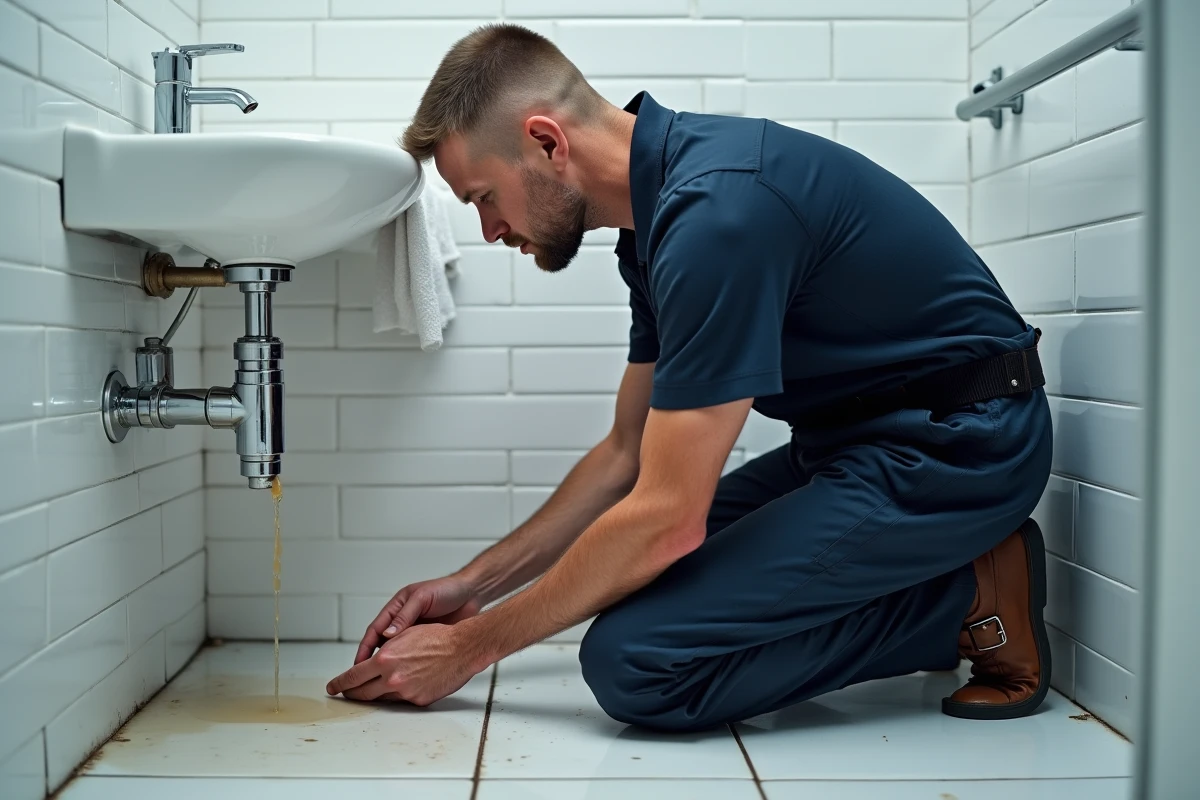
This type of device is particularly useful in older homes where the risk of slow leaks is high. It does not replace the need to update plumbing standards, but it reduces the time between the occurrence of the damage and its detection, which mechanically limits the amount of damage.
The water damage guarantee in a home insurance contract is not just a line on a coverage table. Exclusions related to obsolescence, the chosen compensation method, and the presence or absence of a leak detection clause radically change the actual protection. Reviewing the specific conditions before the next claim remains the most cost-effective approach.