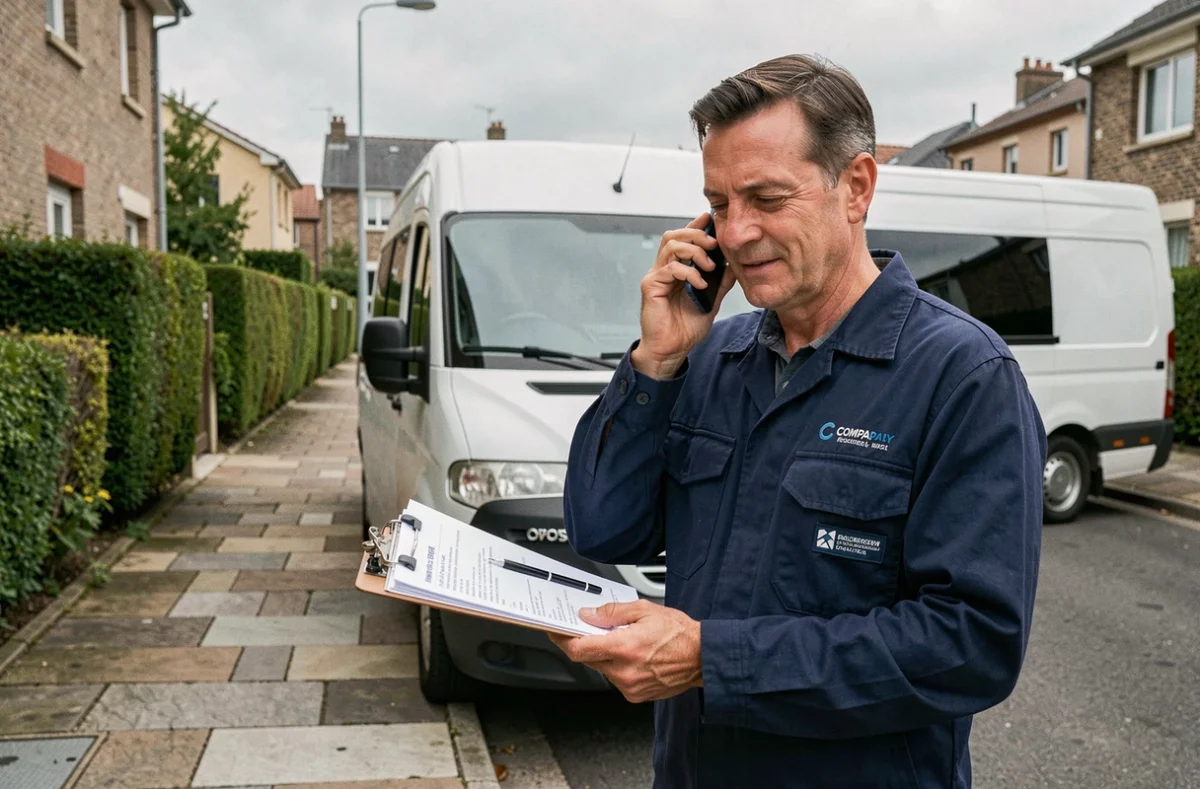
A power outage doesn’t give warning, and the first reaction is often to look for a phone number. The reflex to contact a professional electrician nearby seems simple, but several preliminary steps determine the speed and relevance of the intervention. Knowing whom to call, when, and with what information changes the game between a controlled repair and a questionable bill.
Power outage: the first contact is not always an electrician
Before picking up the phone to reach an artisan, one point deserves verification. If neighbors, common areas, or public lighting are also without power, the outage likely pertains to the distribution network. In this case, it is Enedis’ repair service that should be contacted, not an independent electrician.
In a co-ownership, the property manager or caretaker must also be informed when the outage affects common areas. Hiring an artisan for a problem located upstream of the meter amounts to paying for an unnecessary intervention. Differentiating between network outages and private outages avoids an incorrectly charged visit.
If the Linky meter remains lit, the main circuit breaker has not tripped, and only certain rooms are affected, the outage is likely within the internal installation. At this stage, a professional electrician becomes the right contact. When the situation is clear and the intervention of an artisan is justified, it is possible to contact Vite Un Électricien for a quick response tailored to the nature of the problem.
Remote diagnosis before calling: what the electrician needs to know
The speed of an intervention largely depends on the information provided during the first contact. An electrician receiving a call like “I have no power” cannot anticipate the necessary equipment or estimate the duration of the repair.
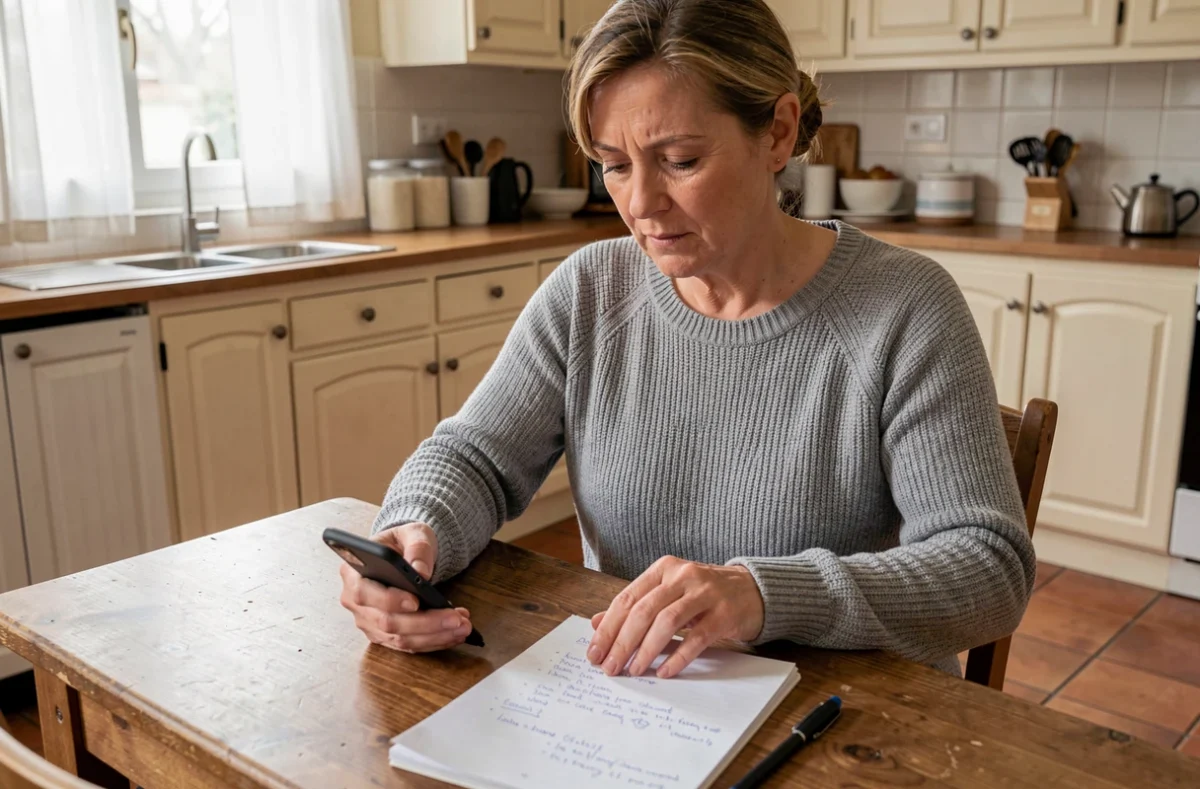
Before calling, gathering some concrete data speeds up the handling:
- Check if the main circuit breaker has tripped or if a specific branch circuit breaker is in the “off” position, which directs to a specific circuit
- Note which devices were operating at the time of the outage, to identify a possible overload or a faulty device
- Observe if the Linky meter displays an error message or is completely off, which distinguishes an internal outage from a network issue
- Identify the affected rooms to know if the outage concerns a single circuit (lighting, outlets) or the entire installation
These elements allow the artisan to distinguish between an overload, an insulation fault, or a fault located between the meter and the panel. A professional arriving with the correct preliminary diagnosis intervenes faster and charges less time for searching.
Mandatory quote and legal framework for electrical repairs
The pressure of urgency sometimes leads to accepting an intervention without prior framing. The decree of January 24, 2017, however, imposes specific obligations on repair professionals. A detailed quote must be provided before the execution of the service, with no minimum amount threshold.
This quote must mention the inclusive hourly rates, travel expenses, any flat fees, and whether the quote itself is free or chargeable. An artisan who refuses to provide this information before starting work is operating outside the regulatory framework.
In practice, feedback from the field varies on this point. Some repairmen invoke urgency to charge without a written quote. Others include the diagnosis in a travel flat fee, making comparison between providers difficult. Requesting a written quote even in a breakdown situation remains the best control lever.
Choosing an electrician based on the nature of the work, not just their availability
The temptation is strong to choose the first available professional. This approach works for a tripped circuit breaker but becomes problematic for specific work.
For the installation of an electric vehicle charging station, the IRVE qualification (Infrastructure for Electric Vehicle Charging) is normally required. Limited exceptions exist for certain low-power private installations, but in most cases, a general electrician does not hold this certification.
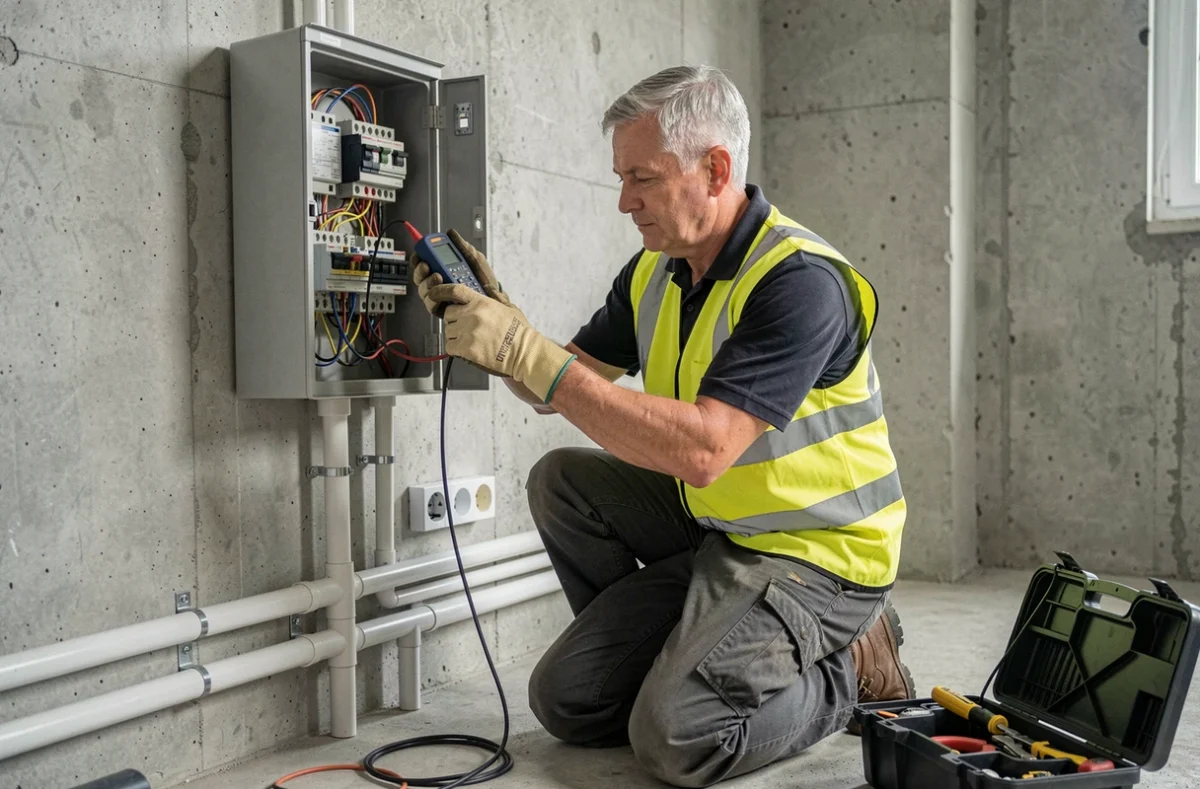
Similarly, a complete upgrade of an electrical panel or the connection of a new installation requires specific skills and insurance. An electrician qualified for routine repairs is not necessarily qualified for all types of interventions.
Three concrete markers help filter profiles:
- Check that the artisan has a valid ten-year insurance policy by requesting the certificate before the work begins
- Ensure that the qualification matches the type of service (IRVE for charging stations, Qualifelec for installation work)
- Consult verified reviews on independent platforms rather than solely on the provider’s site, where negative feedback is rarely published
Local electrician: what geolocation doesn’t reveal
Searches like “electrician near me” return results based on geographical distance and Google reviews. This ranking does not reflect the technical competence or regulatory compliance of the professional.
An artisan highly rated for lighting installations may find themselves struggling with a complex insulation fault. Online reviews assess punctuality and politeness, rarely the technical quality of the intervention. The available data does not allow for concluding that a well-ranked local professional consistently offers better service than another located a few kilometers away.
However, geographical proximity plays a real role in travel costs, which sometimes represent a significant part of the final bill. Comparing two or three quotes from electricians located within a reasonable radius remains the most reliable method for balancing speed, competence, and cost.
The first reflex in the face of a power outage should be verification, not calling. Confirm that the problem indeed pertains to the private installation, gather useful information for diagnosis, and then contact a professional whose qualification matches the work to be done. This sequence takes a few more minutes but reduces the risk of inappropriate intervention and the final bill amount.