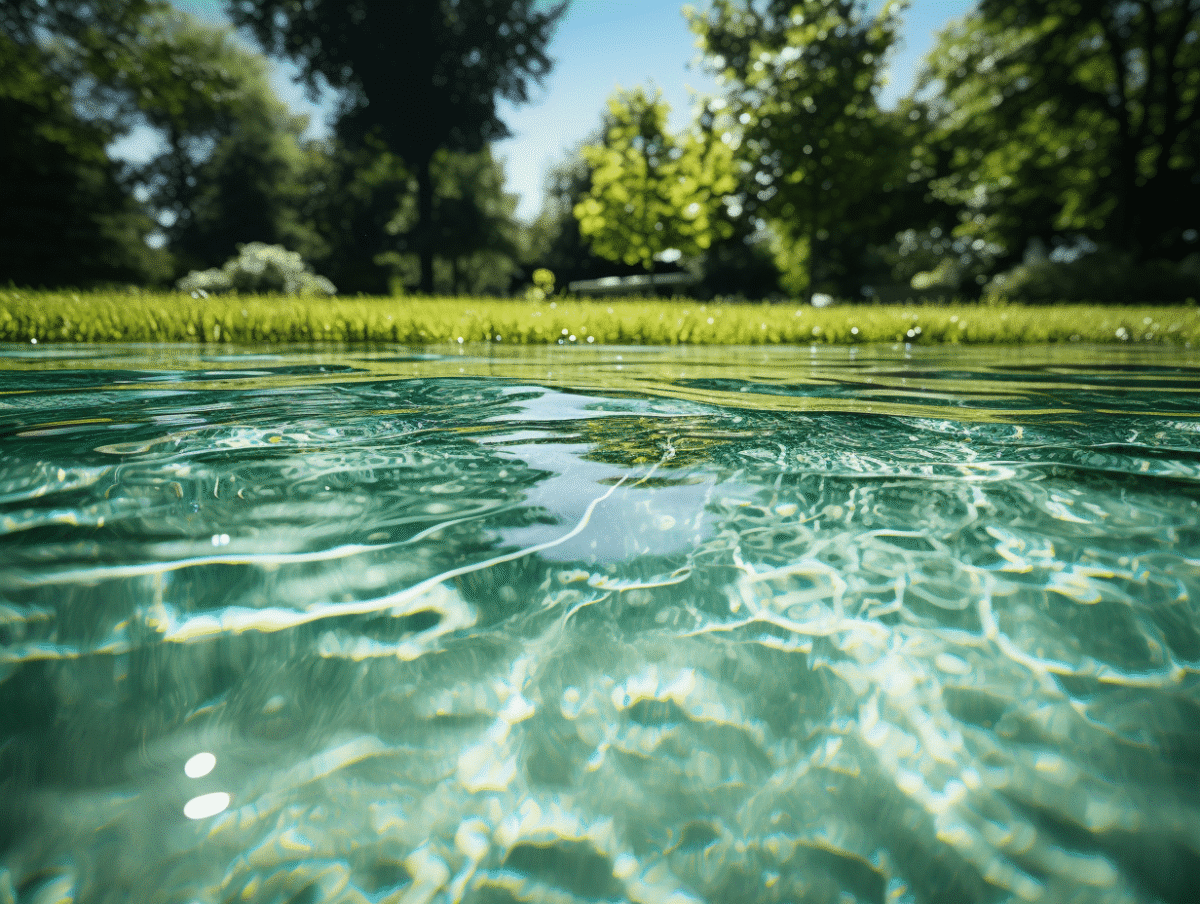
Owning a pool is synonymous with summer relaxation and entertainment, but it also comes with its share of responsibilities. To ensure crystal-clear water and safe usage, regular and methodical maintenance is essential. This involves not only managing pH and chemically treating the water but also physically cleaning the walls and bottom, as well as maintaining the filtration systems. Adopting best maintenance practices can extend the lifespan of the pool, optimize long-term costs, and ensure a pleasant swimming experience for everyone.
The Fundamentals of Pool Maintenance
Cleaning: Like any structure hosting the public for aquatic activities, cleaning the pool is a task that must be carried out with clockwork regularity. Done weekly, it requires a range of tools such as a broom, vacuum, or robot, to ensure impeccable hygiene. Treatment products, chlorine, bromine, active oxygen, or PHMB, are essential allies for healthy and clear water. Simply Habitat, a recognized player in the pool equipment sector, offers a complete range to facilitate this essential work.
Winterizing: Preparing the pool for the cold season is a crucial step that ensures its longevity. Winterizing your pool follows a strict procedure: thorough cleaning, pH adjustment, shock treatment, lowering the water level, closing the water inlets, and finally, installing a cover to preserve its integrity. This preventive approach avoids inconveniences and unnecessary costs during the beautiful season.
Water Treatment: The quality of swimming water is monitored through meticulous chemical balance. Checking the pH, which should be between 7.2 and 7.6, is an indicator of this balance and must be done diligently. For disinfection, various options are available to pool managers: chlorine, bromine, active oxygen, PHMB, sometimes complemented by an ozonator for a deeper and less irritating action for the skin.
Equipment: The filter plays a crucial role in the cleanliness of the water by removing impurities. Preventive treatment of the filter is necessary to maintain this functionality. Installing an automatic control station optimizes the measurement and regulation of water parameters, ensuring a consistent and controlled aquatic environment.
Adhering to these basic practices not only ensures the durability of the infrastructure but also the safety and comfort of swimmers. Regular monitoring of the water level, using a skimmer to remove impurities, and daily checking of the chlorine level, maintained between 1.5 and 2 mg/l, are practical tips not to be overlooked. The summer cover, whether made of polyethylene, extruded polyethylene foam, or treated against UV, also contributes to treatment savings, prevents evaporation, and allows for an extended swimming season.
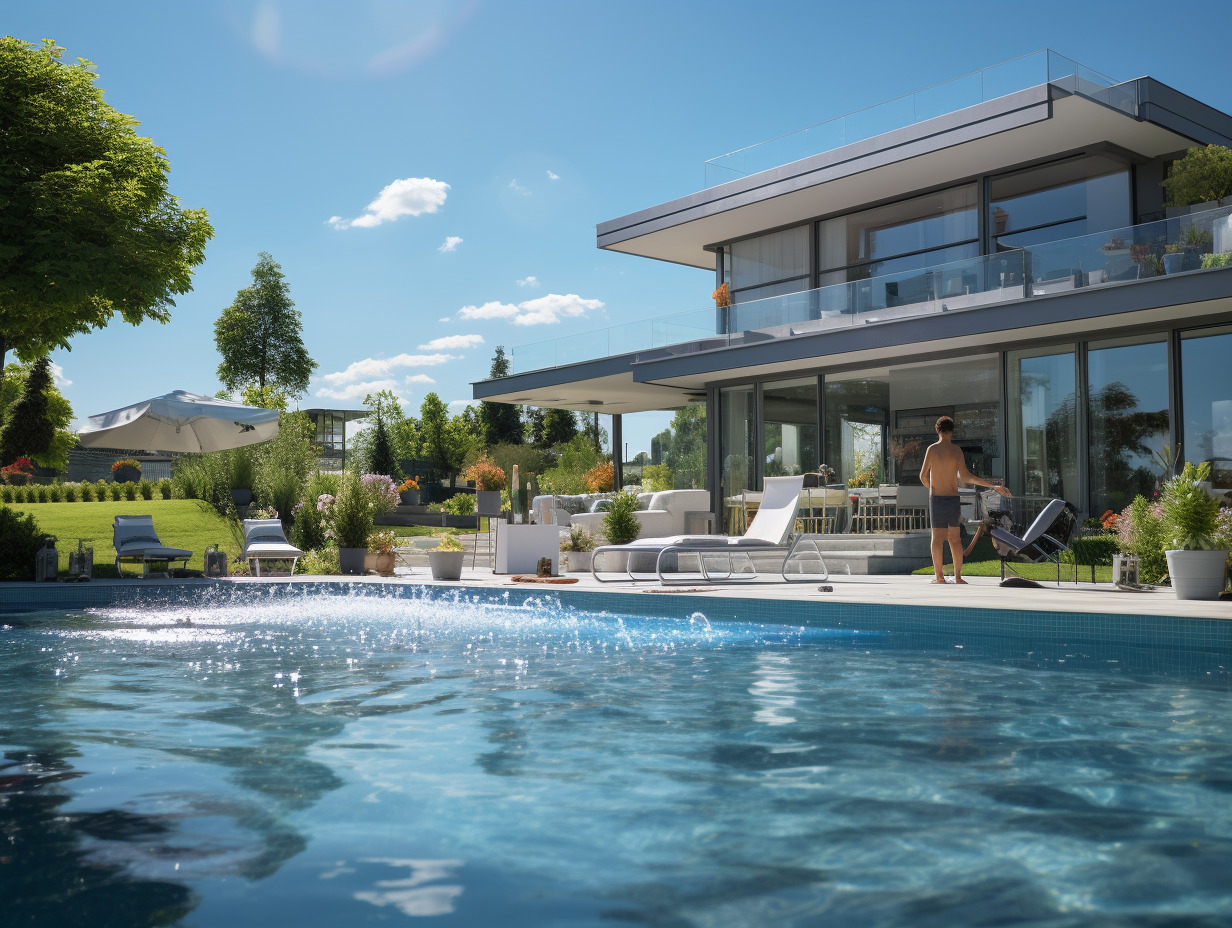
Advanced Strategies for Perfect Pool Water
Thorough Disinfection: In the quest for crystal-clear water, advanced disinfection is a top strategy. Beyond traditional methods that use chlorine or bromine, emerging technologies such as ozonators stand out. They offer deep disinfection without the irritating effects of standard chemical treatments. Pair these systems with regular doses of active oxygen or PHMB to achieve unmatched water quality. Checking the pH remains, of course, essential and should be part of a daily routine, with the ideal value anchored between 7.2 and 7.6.
Technological Automation with Pool Robots: Automating cleaning with pool robots represents a qualitative leap in maintenance. Leading brands such as Bayrol, Mareva, or Zodiac offer solutions tailored to all needs and pool configurations. These devices, equipped with artificial intelligence, ensure meticulous cleaning of surfaces, reducing human effort and optimizing the time spent on maintenance. Choosing a suitable pool robot is therefore a strategic consideration for simplified and more effective maintenance.
Maintaining Water Quality and Rigorous Monitoring: Advanced tips for maintaining water quality lie in rigorous monitoring of chemical parameters and responsiveness to variations. The chlorine level must be monitored with scientific precision, with the ideal level being between 1.5 and 2 mg/l. Such monitoring ensures safe and pleasant swimming while preserving your pool’s ecosystem from algae and other undesirable microorganisms. Persistence in this monitoring is the guarantee of water always ready to welcome swimmers in the best conditions.