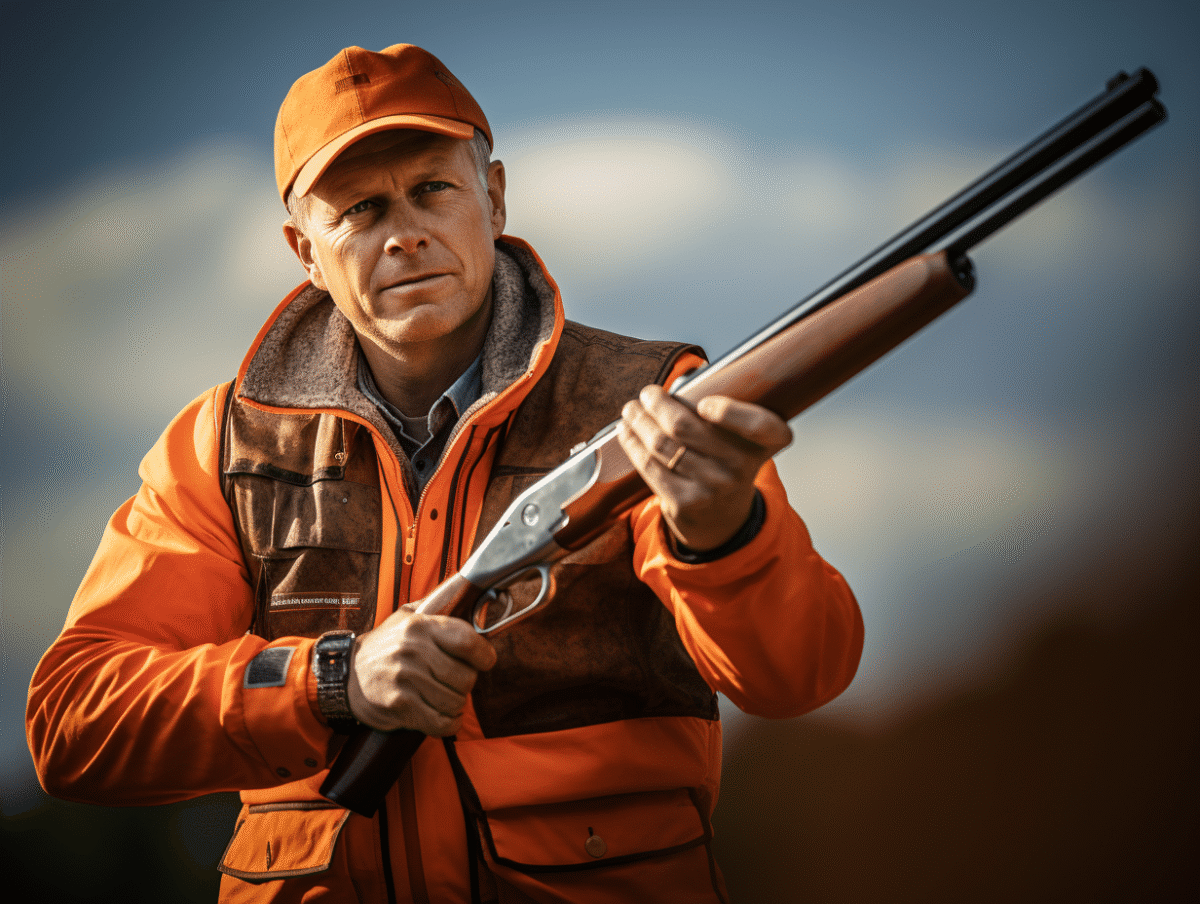
In the world of clay shooting, choosing the right equipment is fundamental for optimal performance. At the heart of this equipment is the shotgun, an extension of the shooter, which must achieve a perfect symbiosis between comfort, precision, and adaptability. Category C shotguns, specifically regulated, are often favored by enthusiasts of this sport. Selecting the ideal firearm involves a deep understanding of the specifics of this category, which includes criteria such as barrel length, weight, balance, and sighting systems. Knowledge of regulations is also essential for practicing clay shooting legally.
Understanding Category C Firearms for Clay Shooting
Category C firearms encompass various types of shotguns, including semi-automatic shotguns, over-and-under shotguns, side-by-side shotguns, and single-barrel shotguns. These types of firearms are frequently used in clay shooting, a discipline that requires precision and responsiveness. The acquisition of a firearm with a clay shooting license is a regulated process, ensuring that the shooter possesses the necessary skills and training to handle the weapon safely. Organizations such as the French Federation of Clay Shooting and the French Shooting Federation provide regulatory and educational frameworks for practicing this shooting sport.
The practice of clay shooting, considered an Olympic discipline, imposes not only a rigorous choice of weapon but also adequate protective equipment. Experienced shooters such as Mélanie Vincent, secretary of the Isère Departmental Federation of Hunters and a titleholder in the French Championship, emphasize the importance of compliance and protection in this sport. To participate in disciplines like Olympic Trap, recognized at the Olympic Games, one must adhere to established standards, both for weapon choice and protective equipment.
Opting for semi-automatic shotguns is often recommended for beginners due to their ease of use and maneuverability. For more experienced shooters, over-and-under, side-by-side, or single-barrel shotguns may offer specific advantages in terms of ballistics and customization. Each shooter must therefore assess their needs based on their discipline and skill level to select the shotgun that best aligns with their aspirations within Category C firearms.
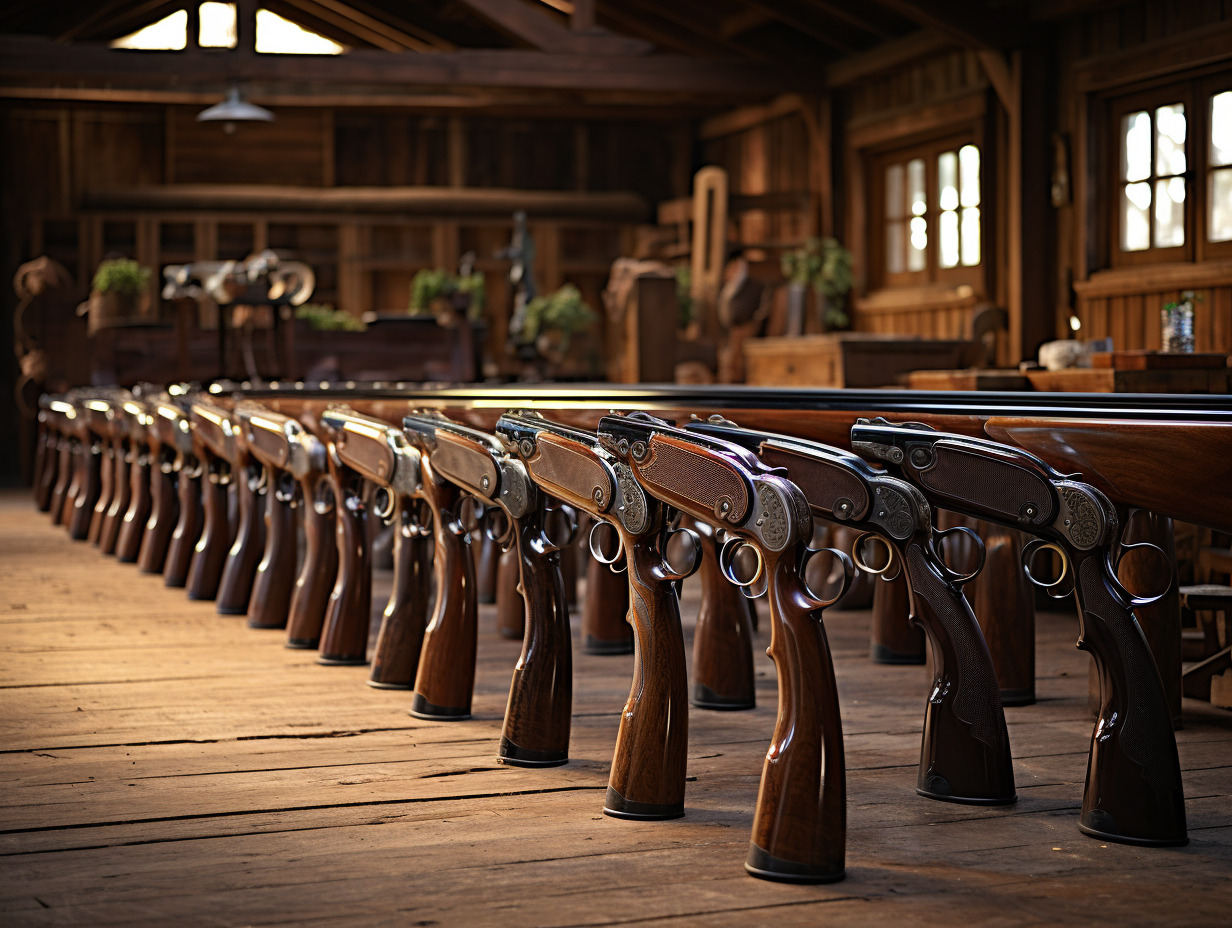
Essential Criteria for Choosing the Right Clay Shooting Shotgun
Choosing a clay shooting shotgun is not something to be taken lightly. Several criteria should guide the purchasing process. The gauge of the shotgun, a determining factor, directly influences shooting accuracy and the recoil felt by the shooter. Gauges like 12 or 20 are frequently used, with the former being favored for its versatility and the latter for its lightness and reduced recoil. Analyze the characteristics of each gauge based on your expectations and body type for an optimal shooting experience.
The barrel length is another fundamental factor in choosing a clay shooting shotgun. Longer barrels stabilize the shot more and promote better aiming, while shorter barrels offer better maneuverability. Over-and-under and side-by-side shotguns, with their generally longer barrels, are often recommended for Olympic Trap competitions.
Accessories and customization of the shotgun should not be overlooked. Elements such as interchangeable chokes, which adjust the spread of the shot, or adjustable stocks, which allow the shotgun to be tailored to the shooter’s physique, can significantly enhance performance and comfort. Evaluate your accessory needs and consider comparing models for an informed decision, as acquiring a shotgun for clay shooting represents a significant investment.