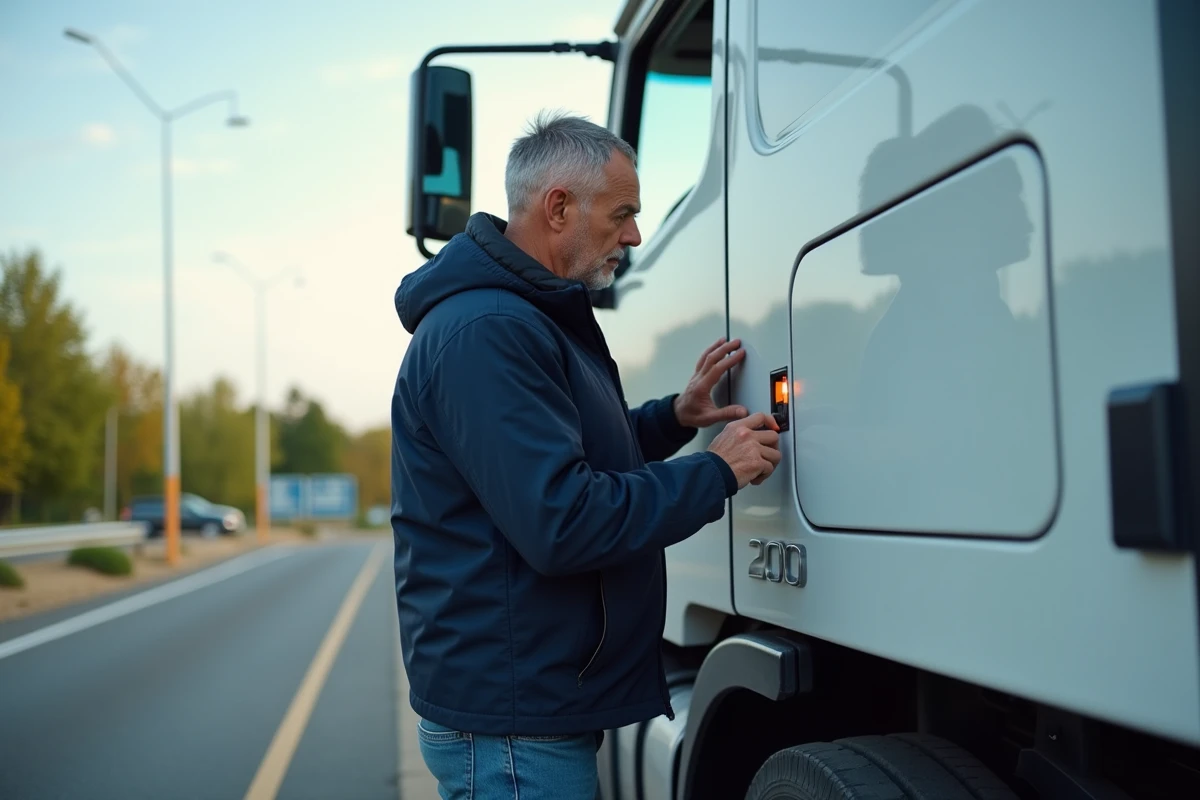
On the Renault T, the reserve never plays the simplicity card. The display does not indicate a stable amount of fuel, but an estimate forged by the onboard electronics and the actual performance of the vehicle. The result: from one trip to another, the displayed range in reserve varies, sometimes by a factor of two.
It’s hard to rely on it blindly. The weight of the truck, the state of the road network, and driving style all weigh in the balance. Some truck drivers finish their journey with a respectable margin, while others see the reserve deplete at high speed. The possible distance on reserve, in reality, is decided on the road, rarely in advance.
Reserve range on the Renault T: what to really expect?
Making the last liters of diesel last on a Renault T means accepting uncertainty. As soon as the warning light comes on, the question arises: how many kilometers do you really have left in Renault T diesel reserve range? It’s impossible to give a figure set in stone, as each trip, each load, and each weather condition changes the game.
On this model, the reserve activates around 50 liters remaining. Enough to cover a few hundred kilometers? Not so fast. According to numerous experiences, the reserve usually allows for a distance of between 150 and 200 kilometers, sometimes a bit more if the driving remains gentle and the truck is lightly loaded. Conversely, in the city, with a full load or in the rain, the gauge can drop much faster. The actual range adapts to the day’s situation.
Here are the main factors that come into play and explain these discrepancies:
- Recent average consumption: the way you have driven impacts the remaining distance.
- Type of route: highway, national roads, hilly roads… each profile has its influence.
- Weight carried: the heavier the load, the faster the reserve depletes.
- Weather conditions: cold, wind, or rain can increase consumption.
The electronic gauge never delivers an absolute truth. From one situation to another, the gap can exceed several dozen kilometers. Before embarking on a long journey, check if the amount of fuel remaining matches the distance to be covered. To learn more about Renault T diesel reserve range, the page “Renault T diesel reserve, how many kilometers left – WD Car” gathers numerous feedback and tips from the community. Relying on these real experiences remains the safest way to avoid running out of fuel.
What factors affect the distance traveled once the warning light is on?
The fuel warning light on the Renault T never provides a general rule. It is the combination of the journey and vehicle parameters that shapes the possible distance to be covered on reserve. It’s better to know these variables to anticipate and make the most of every remaining liter.
The vehicle fuel consumption: a fluctuating indicator
Consumption varies depending on the type of road. On the highway, a stabilized pace generally consumes less; in the city or on mountain roads, stops and starts increase fuel expenditure. A flat and clear route often allows for extending the reserve, while a series of hills or slowdowns reduces it.
Several parameters amplify this effect:
- Weight of the load: the more the truck is loaded, the faster the reserve evaporates.
- Weather conditions: headwinds, heavy rain, or low temperatures modify consumption.
- Fuel quality and the mechanical condition of the vehicle: regular maintenance limits overconsumption, while a clogged filter or under-inflated tires accelerate the drop in level.
The electronic systems of the dashboard refine the estimate, but no gauge guarantees accuracy. There is always a margin of uncertainty. When the fuel warning light appears, consider the range as a range, never as a sure figure. The reality will depend on all the circumstances, not just a single predefined value.

Practical tips to avoid running out of fuel and preserve your engine
Plan your stops without relying on the reserve as a safety net. On the Renault T, the reserve light usually corresponds to 30 to 50 liters remaining: enough to last between 100 and 150 kilometers under good conditions, but the gamble of double or nothing rarely ends well. Caution above all.
As soon as the reserve light comes on, adjust your driving. Reduce speed, avoid sudden accelerations, lighten the load if possible. A steady pace, away from traffic jams and steep terrain, extends the reserve and limits mechanical fatigue. Smooth driving not only conserves fuel but also enhances engine longevity.
Protect your engine, avoid running low on fuel
Running too low exposes the engine to unnecessary risks. The bottom of the tank concentrates impurities and residues: with each draw, the injectors can get clogged. Running out of fuel is not trivial: it can lead to costly repairs on the fuel system and injectors. It’s better to refuel before reaching the critical level, even if it means stopping a bit earlier.
Here are some habits to adopt for a more relaxed drive:
- Always keep an eye on the gauge and schedule your fuel stops during long trips.
- Avoid cutting and restarting the engine repeatedly when you are on reserve: the injection system does not appreciate low-level fluctuations.
- When driving on the highway, keep in mind the distance to the next station: at high speeds, the reserve can diminish faster than expected.
Driving on reserve means accepting uncertainty. But by knowing the limits of the Renault T and adopting a few simple reflexes, the range will no longer be a source of anxiety, but a matter of vigilance. It’s better to keep the tank out of the red than to test the limits of the truck on the edge of the road.