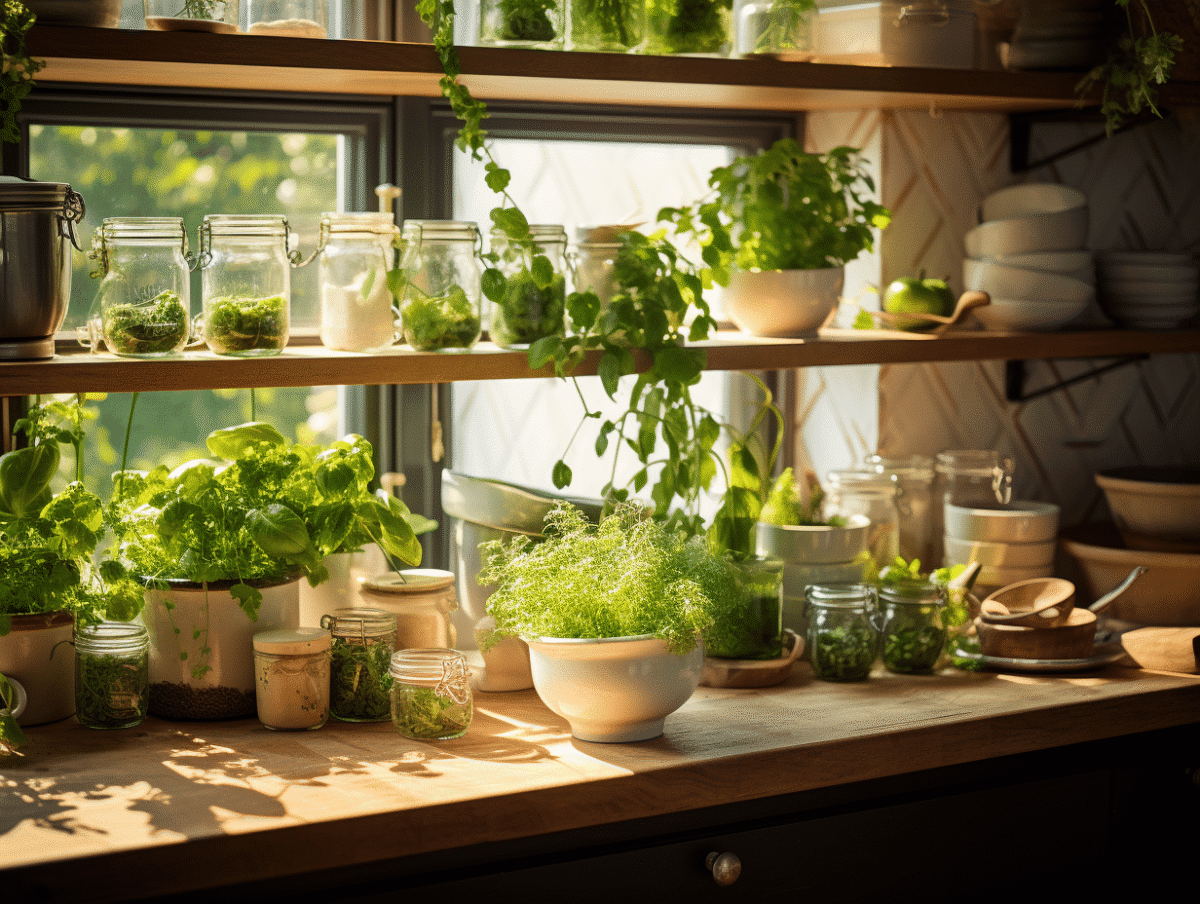
The organization of the kitchen is a key element for a smooth and pleasant daily life. This room, often considered the heart of the home, is a place for meal preparation, but also a space for conviviality. A well-arranged kitchen allows you to save time during cooking and storage while reducing stress. To achieve this, one must consider the arrangement of utensils, the optimization of storage space, and the ease of access to various equipment. Solutions exist for every configuration, whether it be small urban kitchens or large open spaces.
The fundamental principles for optimal kitchen organization
A well-ordered kitchen begins with a clear understanding of its different zones. The storage zone, with its cabinets and refrigerator, should be structured to facilitate access to food items and household products. Consider integrating a pantry for dry goods and optimizing the space so that each product has its designated place, thus reducing search time.
Nearby, the washing zone plays a crucial role in maintaining an organized kitchen. It includes the sink, dishwasher, and trash can. Make sure to place it next to where you store dishes and cutlery to streamline the cleaning and storage process after each meal.
The cooking zone is where your food is transformed. Gather all the necessary utensils around your cooktops, oven, and microwave for this task. A good organization of this zone allows for smoother dish preparation and reduces unnecessary trips back and forth.
The preparation zone is often represented by the countertop. This is where ‘Mon Assiette’ takes shape, where food is chopped, seasoned, and assembled. This area should be clear and have all the preparation utensils within reach. Consider using airtight clear containers to keep your ingredients nearby and visible.
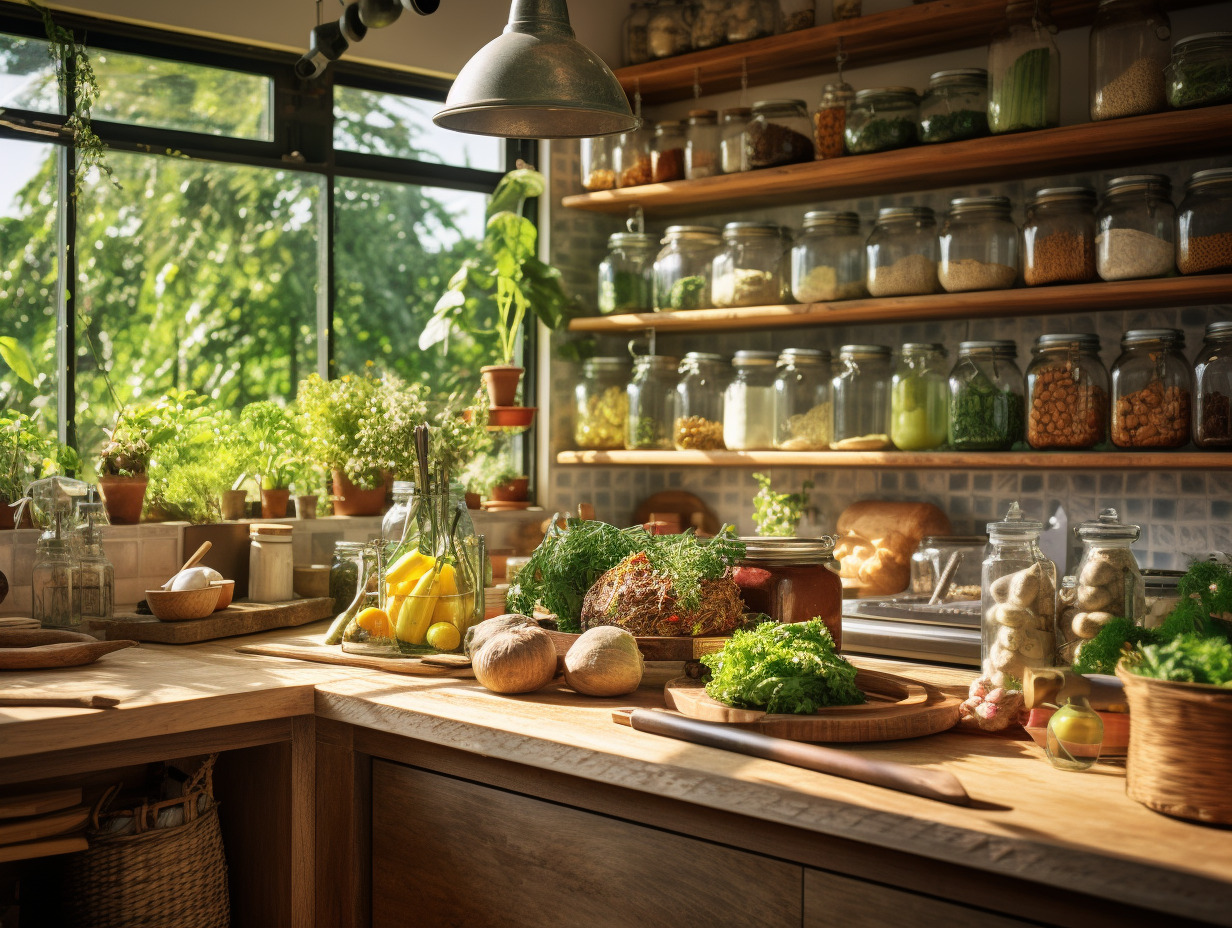
Beyond the zones, using glass jars and storage boxes is an effective method for preserving and organizing food. Well-chosen containers not only help maintain the freshness of products but also allow for quick visibility of available stock, facilitating daily management and meal planning.
Practical strategies for maintaining order in your kitchen daily
To keep an organized kitchen, the act of sorting and cleaning must be done regularly. Before even considering storage, clear your spaces of anything superfluous or expired. This action, taking between 1.5 to 3 hours depending on the volume, allows you to start fresh and avoid accumulation. Include in this operation the sorting of utensils, spices, and canned goods, getting rid of what is no longer useful.
Organizing by food categories greatly simplifies access to products and menu planning. Store food by categories in cabinets, the refrigerator, or pantries. This method, inspired by Marie Kondo’s principles of space harmonization, promotes a clear view of stock and facilitates the management of food with short expiration dates (DLC). Use the oldest items first to avoid waste.
Communication and sharing the organization are essential in a shared household. Discuss the layout and storage rules with those around you. Consistency in the use of spaces and respect for designated areas for different products by all users of the kitchen are key to sustainable order. A poster or board can serve as a reminder of the zones and established principles to maintain the established order.