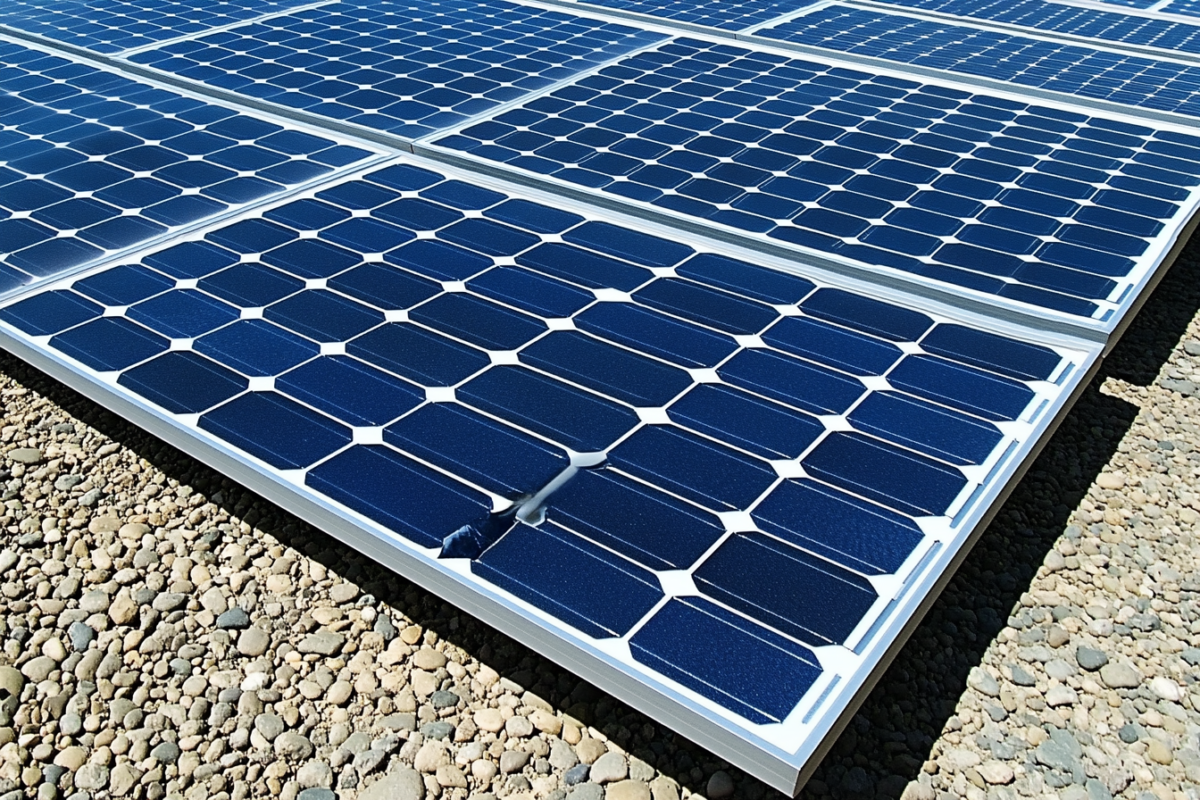
Solar energy, an inexhaustible and beneficial resource, is increasingly attracting individuals and businesses around the globe. In the face of climate challenges and contemporary energy issues, solar panels emerge as an essential solution to reduce our carbon footprint while ensuring reliable and local electricity production. These technological devices, which convert sunlight into energy, integrate seamlessly into our daily lives. They revolutionize not only our consumption methods but also our perception of energy. The sun, an essential and omnipresent source, thus becomes a valuable ally in our quest for energy autonomy and sustainability. Advances in this field open new perspectives, making access to solar energy more affordable and efficient than ever before.
The technology behind solar panels
Understanding the technology of solar panels is essential to appreciate their potential. It is fascinating to see how semiconductor materials can transform photons into electricity.
- Photovoltaic cells: At the heart of the panels are photovoltaic cells, primarily made of silicon. These cells capture photons from sunlight, releasing electrons and generating an electric current.
- Energy efficiency: Recent innovations have increased the efficiency of solar energy conversion, making the panels more effective and suitable for various environments and uses.
- Emerging technologies: New technologies, such as perovskite cells or bifacial panels, promise to further optimize the capture of solar energy.
Ecological and economic benefits
Installing solar panels offers a plethora of advantages, both ecologically and economically. They represent a strategic investment for a sustainable future.
By reducing our dependence on fossil fuels, we decrease greenhouse gas emissions. This directly contributes to improving air quality and combating climate change. Economically, although the initial investment may seem substantial, the long-term savings on electricity bills are significant. Tax incentives, such as tax credits and subsidies, make this transition even more attractive. As for sustainability, the panels, often guaranteed for several decades, ensure reliable and renewable energy production.
Challenges and solutions in adopting solar panels
Adopting solar panels may seem complex, but several solutions can help overcome the challenges encountered.
- Architectural integration: A major concern lies in the aesthetic integration of the panels within existing structures. Innovative designs and customized solutions allow for visual harmony.
- Energy storage: Storing solar energy, especially during periods of low production, is a challenge. Advanced batteries and energy management systems improve storage capacity and usage flexibility.
- Supportive infrastructure: Establishing a smart electrical grid facilitates the integration of renewable energies, ensuring efficient and balanced distribution.
Solar panels represent a major technological advancement in our energy transition. They provide a concrete response to current climate challenges while paving the way for a more sustainable world. By investing in this renewable energy source, we take a decisive step toward a cleaner and more autonomous future. The possibilities before us are vast, and solar energy continues to inspire us with its infinite potential. Its ability to transform our world is undeniable, and it deserves all our attention and efforts to maximize its positive impact.