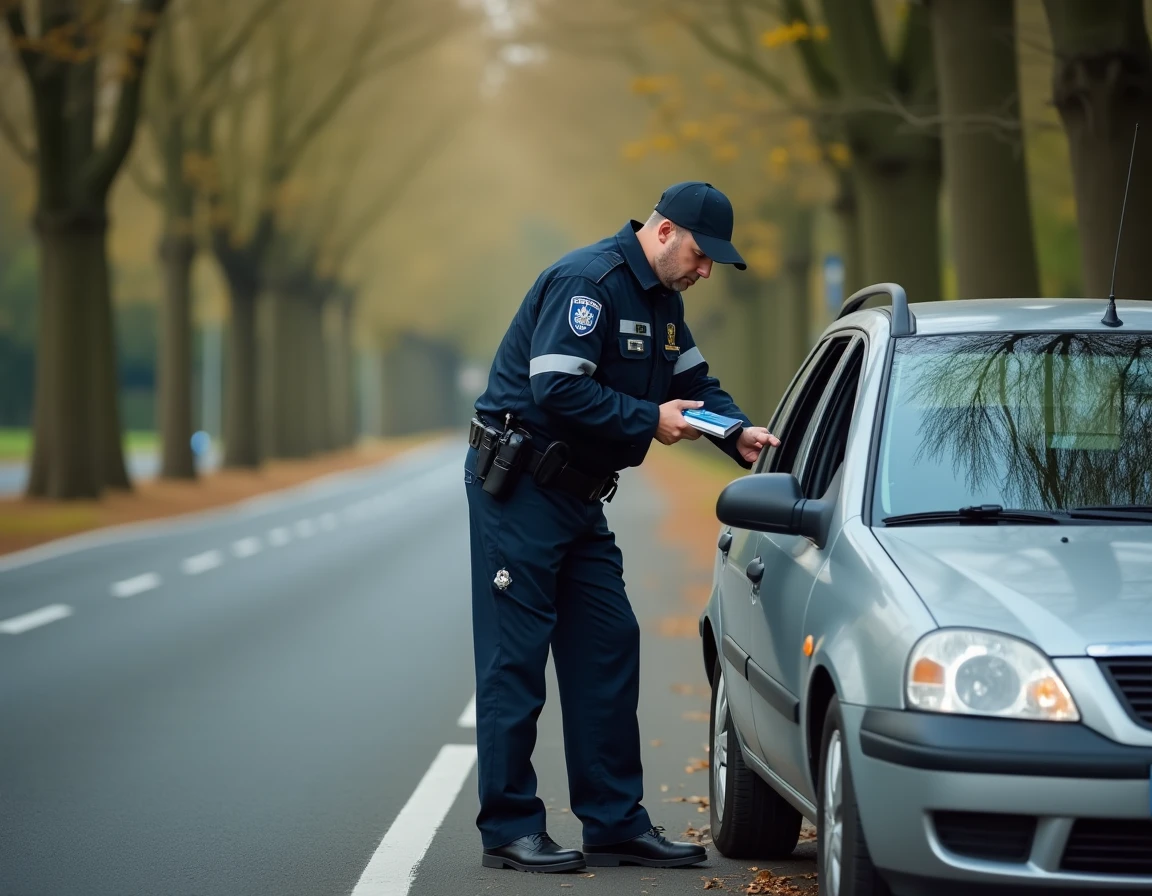
During a roadside check, the verification of the technical inspection no longer relies on the presentation of a paper document or a sticker affixed to the windshield. The system is based on national databases queried in real-time, which radically changes the mechanics of the check for both the officer and the driver.
Querying the SIV and the national technical inspection file during a roadside check
The core of the current system is the SIV (Vehicle Registration System). As soon as an officer records or scans a license plate, they access a vehicle file that aggregates several pieces of information: the holder of the registration certificate, administrative situation, and most importantly, the status of the technical inspection via the dedicated national file.
This national file is directly updated by authorized centers at the time of entering the technical inspection report. The validity date, the result (favorable, unfavorable, unfavorable for critical failure), and any obligation for a follow-up visit are included. The officer does not need to ask you for your receipt: the license plate is sufficient to establish compliance.
We observe that this cross-checking aligns with the same logic as the dematerialized verification of car insurance. Since the abandonment of the green insurance sticker, and then the gradual removal of the technical inspection sticker from the windshield, law enforcement checks insurance, registration, and technical inspection through interconnected files. To understand in detail how the police verify the technical inspection of a car, one must start from this architecture of cross-referenced databases rather than the old documentary reflex.
Automated License Plate Recognition (LAPI) and detection of an expired technical inspection
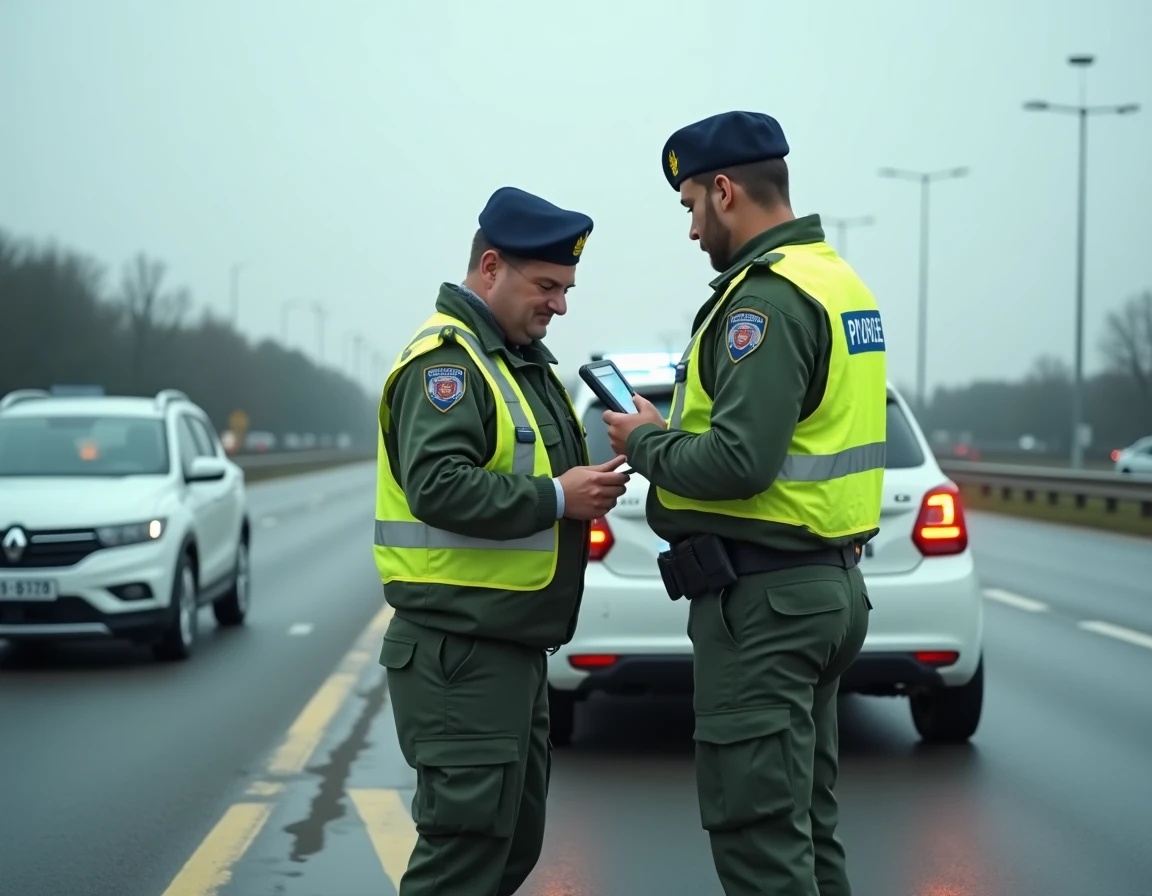
Police vehicles equipped with LAPI (automated license plate recognition) devices take it a step further. These units, mounted on the roof or trunk of unmarked or marked vehicles, photograph and decipher license plates on the fly, even while in motion.
The system automatically queries the national databases associated with each plate. When a technical inspection is expired or absent, the alert is raised without manual intervention from the officer. The vehicle is then flagged for interception.
This operation has a direct consequence: an expired technical inspection is detectable without the vehicle being stopped beforehand. An officer on patrol can identify the infraction simply by crossing your vehicle in the flow of traffic. The decision to intercept or ticket afterward depends on the operational context, but the detection itself is instantaneous.
What LAPI does not verify
The LAPI system is limited to administrative data related to the plate. It does not provide information on the physical condition of the vehicle: tire wear, lighting operation, brake condition. These checks fall under the visual inspection performed by the officer once the vehicle is immobilized, in accordance with the provisions of the highway code regarding the vehicle’s condition.
Sanctions and consequences in case of absent or expired technical inspection
Driving without a valid technical inspection constitutes an offense. The consequences vary depending on the situation:
- If the technical inspection is simply expired by a few days, the officer may issue a report accompanied by a fixed fine and set a deadline to regularize the situation with an authorized center.
- If the vehicle has never undergone a technical inspection or if the delay is significant, administrative immobilization of the vehicle may be ordered. The registration certificate is then retained until a favorable technical inspection is presented.
- In the case of a follow-up visit not completed within the allotted time after an unfavorable result, the situation is treated as an absence of a valid technical inspection, with the same consequences.
Administrative immobilization is not systematic: it depends on the officer’s assessment and the severity of the defect. A long-expired inspection or an uncorrected critical defect more easily triggers this measure than a slight delay.
Documents to present during a roadside check and the residual role of the paper receipt
Even though verification now goes through digital files, the highway code still requires certain documents to be presented in case of a check:
- The vehicle registration certificate (carte grise).
- The valid driver’s license.
- The receipt of the technical inspection, although its immediate non-presentation is rarely sanctioned if the file confirms validity.
The paper receipt of the technical inspection retains a residual role. In practice, if the SIV confirms a valid technical inspection, the absence of the physical document does not lead to a ticket. However, in the event of a terminal malfunction or a delay in updating the national file (a few hours after the visit to the center), having the paper receipt allows for the resolution of any ambiguity on-site.
Particular case of recent vehicles
A vehicle in category M1 with a GVW not exceeding 3.5 tons is subject to its first technical inspection within the six months preceding the fourth anniversary of its first registration. Before this deadline, the absence of a technical inspection is normal and the SIV reflects this. An officer querying the database on a recent vehicle sees the expected first inspection date, not an anomaly.
The complete dematerialization of the technical inspection is not yet finished, but the trajectory is clear. Checks through cross-referenced files make fraud or forgetfulness much harder to conceal than in the era of the windshield sticker. We recommend checking the expiration date directly on the receipt or via the SIV rather than relying on a reminder that will not come: the technical inspection remains the owner’s responsibility.